An overheating engine can leave you hoping the problem will resolve once the temperature gauge drops. Sometimes it does. A leaking hose, a weak cap, a bad thermostat, or a low coolant level can be fixed before more serious damage occurs.
Other times, the heat has already reached the head gasket.
That is when the symptoms start getting stranger. Coolant disappears with no puddle. The engine runs rough after sitting. White smoke lingers from the exhaust. The car may cool down, then overheat again a few days later.
A head gasket problem is not always loud at first, but it usually leaves clues.
1. Coolant Keeps Dropping With No Clear Leak
Coolant loss is one of the first signs drivers notice after an overheating event. You fill the reservoir, drive for a few days, and the level drops again. Nothing is dripping on the driveway, so it feels like the coolant is disappearing.
Sometimes it is. A damaged head gasket can let coolant enter a cylinder or move into areas where it burns off rather than leaking externally. That means you may not see wet spots under the car.
External leaks still need to be ruled out first. Radiator seams, water pumps, hoses, thermostat housings, heater hoses, and caps can all leak only when the system is hot and under pressure. A cooling system inspection helps separate a hidden external leak from a possible internal head gasket issue.
2. White Exhaust Smoke After Warm-Up
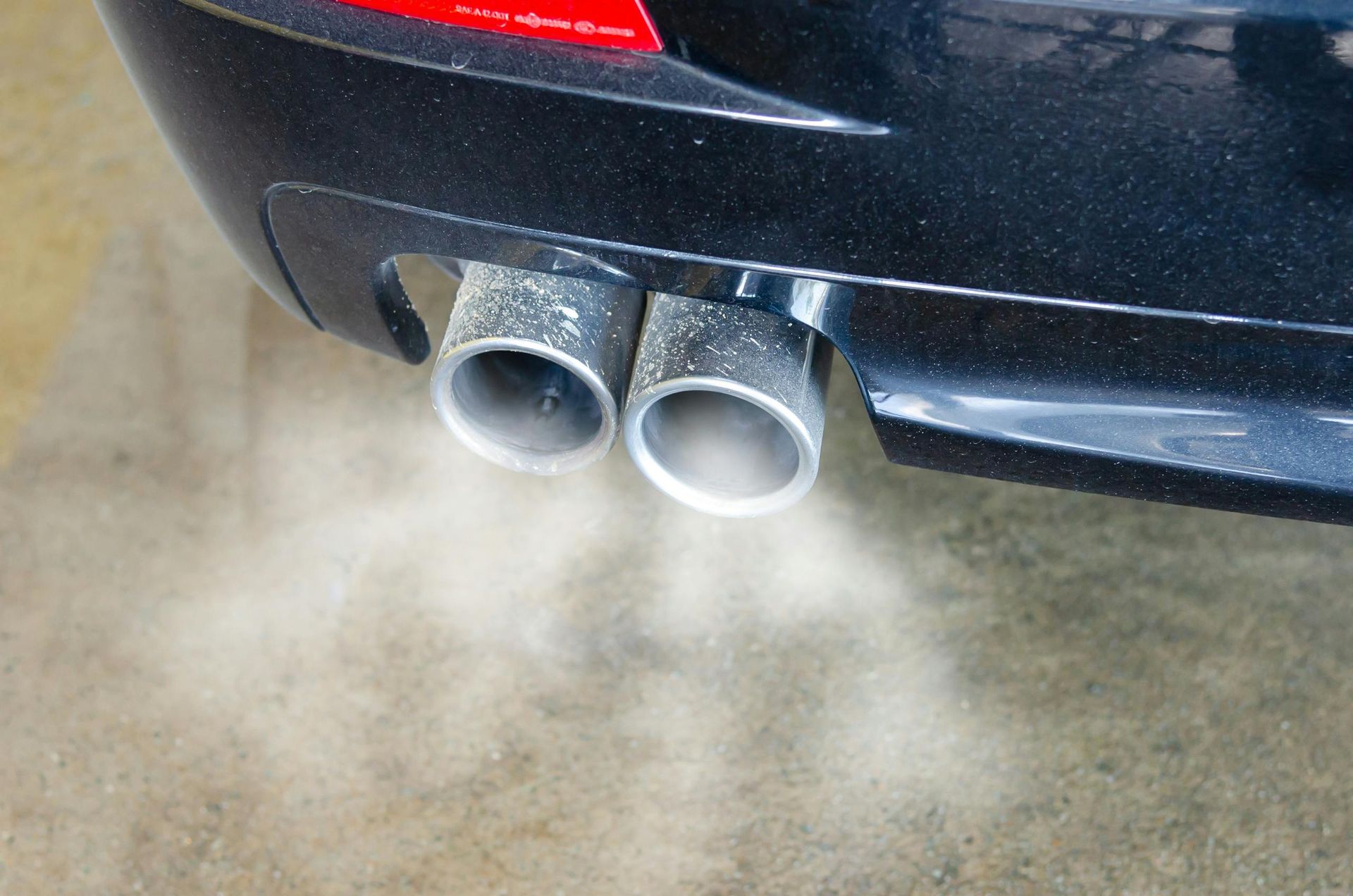
A little vapor from the exhaust can be normal on a cold morning. That usually fades as the exhaust warms up. White smoke that lingers after the engine is warm is different, especially if it has a sweet smell.
That can happen when coolant gets into the combustion chamber and burns with the air-fuel mixture. The exhaust may look foggy, thick, or steam-like. It may be worse on startup after the vehicle has been sitting.
This symptom deserves attention because coolant does not belong in the cylinders. If the engine keeps burning coolant, the problem can affect spark plugs, oxygen sensors, the catalytic converter, and the engine’s ability to run cleanly.
3. Rough Starts After The Car Sits
A head gasket leak can let a small amount of coolant seep into one cylinder after the engine is shut off. The next morning, the engine may crank longer, stumble, shake, or run rough for a few seconds before clearing up.
That rough start is easy to blame on spark plugs, fuel, or cold weather. Sometimes that is the cause. But if the rough start began after overheating, or if coolant is also dropping, the pattern changes.
We pay attention to when the roughness happens. A misfire that appears mainly after sitting overnight can point toward a cylinder getting contaminated while the vehicle is parked. That is a clue worth checking before replacing ignition parts and hoping for the best.
4. Bubbles Or Pressure In The Cooling System
The cooling system is designed to hold pressure, but it should not act like combustion pressure is being forced into it. A damaged head gasket can let cylinder pressure push into the cooling system. When that happens, you may see bubbles in the coolant reservoir, coolant pushed out, or hoses that get firm very quickly after startup.
This can also cause repeated overheating. Air pockets do not carry heat the way coolant does, so that the engine can develop hot spots. The heater may blow warm, then cool, then warm again. The temperature gauge may climb in traffic and settle down on the highway.
Those symptoms can come from air trapped in the system, too, especially after recent cooling system work. The difference is whether the air keeps returning. If it does, there is a reason.
5. Milky Oil Or Contaminated Coolant
Oil and coolant are supposed to stay separate. If the head gasket fails in the wrong area, it can mix. The oil may look milky, creamy, or foamy on the dipstick or under the oil cap. Coolant may look oily or dirty in the reservoir.
This is one of the more serious warning signs because coolant in the oil reduces lubrication. Bearings, timing components, camshafts, and other tight-clearance parts depend on clean oil. Once the oil is contaminated, running the engine longer can cause damage quickly.
Not every milky residue under the oil cap proves a head gasket failure. Short trips can cause condensation in some engines. But milky oil paired with overheating, coolant loss, or rough running should be checked right away.
Why Overheating Makes Head Gasket Damage More Likely
The head gasket seals combustion pressure, coolant, and oil passages between the engine block and the cylinder head. When the engine gets too hot, the metal expands more than it should. The cylinder head can warp slightly, and that small change can keep the gasket from sealing evenly.
Regular maintenance helps catch weak cooling parts before heat causes damage. Coolant level, hose condition, radiator flow, fan operation, thermostat behavior, and cap pressure all matter. If the vehicle has already overheated, the next step is to determine whether the damage stopped at the cooling system or reached the gasket.
Get Head Gasket And Overheating Service In Rochester, MN, With Severson Auto Service
If your vehicle overheated and now has coolant loss, white smoke, rough starts, bubbles in the reservoir, or milky oil, Severson Auto Service in Rochester, MN, can check the cooling system and test for head gasket damage.
Schedule a visit before another hot drive; repairs are harder to control.