A bad wheel bearing does not always announce itself in a big way at first. It might begin as a faint hum on the highway, a light growl from one corner, or a vibration you only notice when the road is quiet. Many drivers turn up the radio and hope it is just tire noise.
That is where wheel bearing problems get tricky. The early signs can sound like worn tires, brake noise, or even normal road texture. But a wheel bearing helps the wheel spin cleanly and stay supported. As it wears out, the sound and feel usually get worse with speed, turns, and time.
What A Wheel Bearing Does
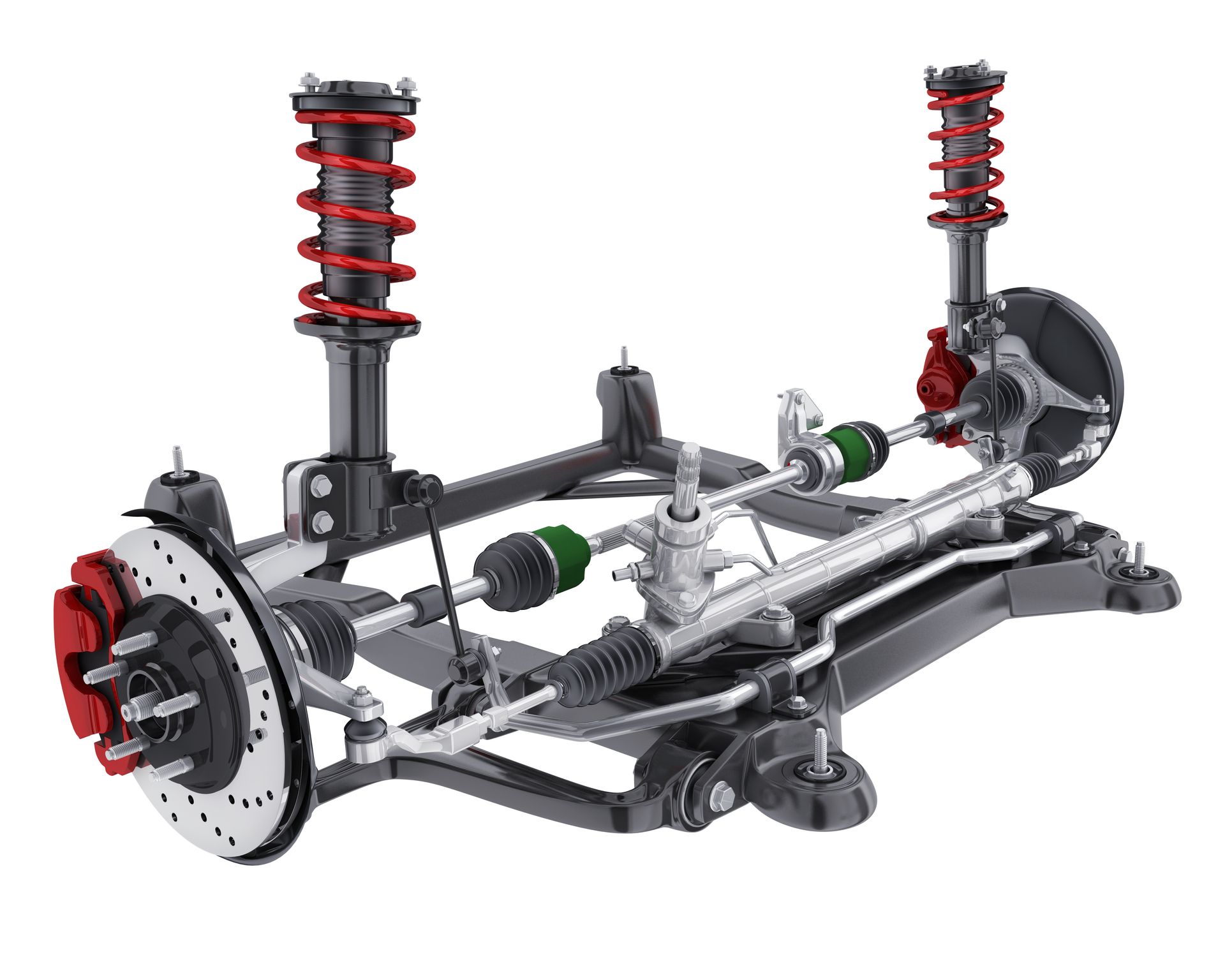
A wheel bearing allows the wheel to rotate with less friction while supporting the weight of the vehicle. It sits inside the wheel hub area and deals with heat, road impact, water, dirt, and constant load every time the car moves.
When the bearing is healthy, you do not notice it. The wheel spins quietly, the steering feels normal, and the tire stays properly supported. When the bearing wears, tiny internal surfaces can become rough. That roughness creates noise, vibration, looseness, and eventually enough heat or damage to make the wheel unsafe.
A Humming Or Growling Sound That Gets Louder
The most common wheel bearing sound is a steady hum, growl, or roar that gets louder as speed increases. It may start around 30 or 40 mph and become more obvious on the highway. Some drivers describe it as sounding like aggressive tire tread, even when the tires look normal.
The sound often comes from one corner of the vehicle, but it can echo throughout the body, making the location hard to pinpoint. A bad front bearing might sound like it is coming from the opposite side. A proper inspection and road test help narrow it down before the wrong part is blamed.
Noise That Changes When You Turn
Wheel bearing noise often changes during turns because the vehicle's weight shifts. If the noise gets louder when turning left, the right-side bearing may be loaded harder. If it gets louder when turning right, the left-side bearing may be under more load.
That is not a perfect rule, but it is a useful clue. A technician will listen during a road test and compare the sound during straight driving, lane changes, and turns. Tires, brakes, and suspension parts can also change noise during turns, so the bearing still needs to be confirmed before repair.
Vibration Through The Steering Wheel Or Floor
A worn wheel bearing can create vibration as the wheel hub rotates unevenly. You may feel it through the steering wheel, floor, seat, or brake pedal. At first, it might feel mild enough to blame on the road surface or tire balance.
If the vibration increases with speed or is accompanied by a humming sound, the bearing should be checked. Tire balance problems can also cause vibration, but they do not usually create the same growling noise. A bad bearing can also place extra stress on tires, brakes, and nearby suspension parts.
Loose Or Wandering Steering Feel
As a wheel bearing wears, the wheel can develop slight looseness at the hub. The driver might notice vague steering, wandering, or a feeling that the vehicle is less settled than it used to be. In some cases, the car may pull slightly or feel odd during lane changes.
This kind of looseness is more than annoying. The wheel bearing helps keep the wheel positioned correctly. If it gets too worn, braking, steering, and tire contact can all be affected. That is why a suspected bearing issue should not be left until the noise becomes unbearable.
ABS Or Traction Control Warning Lights
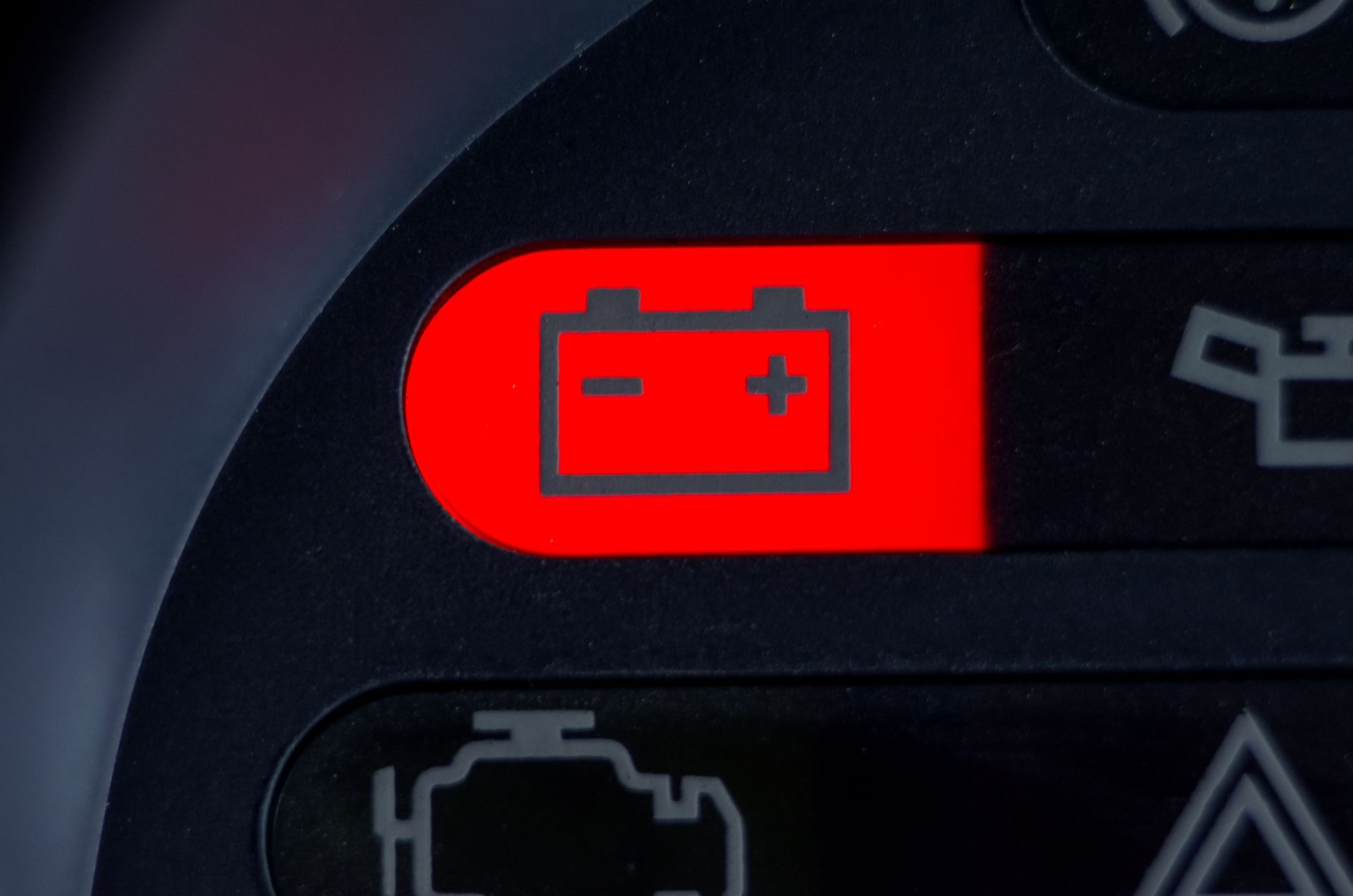
Many modern wheel bearing and hub assemblies work near wheel speed sensors. If the bearing develops play or the sensor area becomes damaged, the ABS, traction control, or stability control light can come on. The car may still drive, but those safety systems might not work correctly.
A warning light does not always indicate a bad bearing. It could be a sensor, wiring issue, tone ring problem, or module fault. Still, when a warning light comes on with wheel noise or vibration, the hub and bearing area should be carefully checked.
Signs A Wheel Bearing Needs Attention Soon
Wheel bearing symptoms are easy to mistake for other problems, so it helps to watch for patterns like these:
- Humming, roaring, or growling that changes with speed
- Noise that gets louder during turns
- Vibration in the steering wheel or floor
- Loose or wandering steering feel
- Uneven tire wear near the noisy corner
- ABS or traction control warning light
- Heat or smell near one wheel after driving
These signs do not always mean the bearing is about to seize immediately. They do mean the wheel area needs attention before the damage gets worse.
Why Waiting Can Get Risky
A worn wheel bearing does not repair itself. As it wears, heat and looseness increase. The noise gets louder, the wheel may develop more movement, and nearby parts can start paying the price. In severe cases, a failed bearing can damage the hub, affect braking, or make the vehicle unsafe to drive.
Regular maintenance can help catch early signs of bearing noise, tire wear, brake issues, and suspension wear before they combine into a bigger problem. The safest move is to have the vehicle checked when the sound first becomes consistent, not after the wheel feels loose.
Get Wheel Bearing Repair In Rochester, MN, With Severson Auto Service
If your vehicle has humming, growling, vibration, loose steering, or ABS warning lights that could point to a bad wheel bearing, Severson Auto Service in Rochester, MN, can check the wheel hub, tires, brakes, and suspension.
For wheel bearing repair before the problem becomes unsafe, contact us to schedule an appointment.