Oil is the lifeblood of your engine, but it can only protect moving parts if it stays clean and flowing. Every mile you drive, tiny bits of metal, carbon, and dust get into the oil. The oil filter is the part that catches that grit so it does not turn into liquid sandpaper inside the engine.
Why Your Engine Needs an Oil Filter
The oil filter’s main job is to trap contaminants while still letting oil move freely. Inside the canister is a pleated filter media that works like a very fine strainer. Oil is pushed through that media, which grabs dirt and sludge before the oil returns to bearings, camshafts, and other moving parts.
Over time, that media loads up with debris and becomes harder to push oil through. If the filter is never changed, the flow can drop enough that a built-in bypass opens, so the engine still gets oil. At that point, the oil is barely filtered at all, which speeds up internal wear.
What the Oil Filter Does On Every Start-Up
Most engine wear happens in the first seconds after you start the car. Cold oil is thick, and it needs to reach the top of the engine quickly, so the filter has to allow that flow without letting junk pass through with it. Once the engine is warm, the filter keeps scrubbing out the fine particles that normal driving creates.
A quality filter helps in three big ways. It protects surfaces from metal-on-metal contact, slows sludge buildup, and helps the oil stay effective closer to its intended service interval.
What Happens When You Push an Oil Filter Too Far
An overdue oil filter usually causes a slow decline rather than a dramatic breakdown. Inside the engine, varnish and sludge start to collect in small passages, which can stick piston rings and clog tiny oil galleries over time. Parts that depend on clean, pressurized oil, like variable valve timing components, may start acting up or setting fault codes.
In more severe cases, a restricted filter can drop oil pressure, especially at idle or on hot days. If the bypass valve is open often, the engine may be running on oil that is barely filtered. That extra wear builds up quietly in the background until noise and performance issues finally get your attention.
How Often Should You Change the Oil Filter?
The simplest rule is to replace the oil filter every time you change the oil. That keeps things easy to track and ensures the filter is never much older than the oil. General ranges look like this:
- Conventional oil on older vehicles: around 3,000 to 5,000 miles
- Synthetic oil on most newer vehicles: about 5,000 to 10,000 miles
- Severe use (lots of short trips, towing, extreme hot or cold): closer to the shorter end of the range
If you are unsure where your driving falls, we can look at your mileage and habits and suggest an interval that fits instead of guessing.
Driving Habits and Warning Signs to Watch
Some driving patterns are tougher on oil and filters even if the mileage looks low. Short trips where the engine never fully warms up leave extra fuel and moisture in the oil, and heavy stop-and-go traffic adds heat and contaminants without much steady cruising. Dusty or gravel roads stir extra grit into the air, which the filter has to catch.
You may want to shorten your interval or schedule a check if you notice:
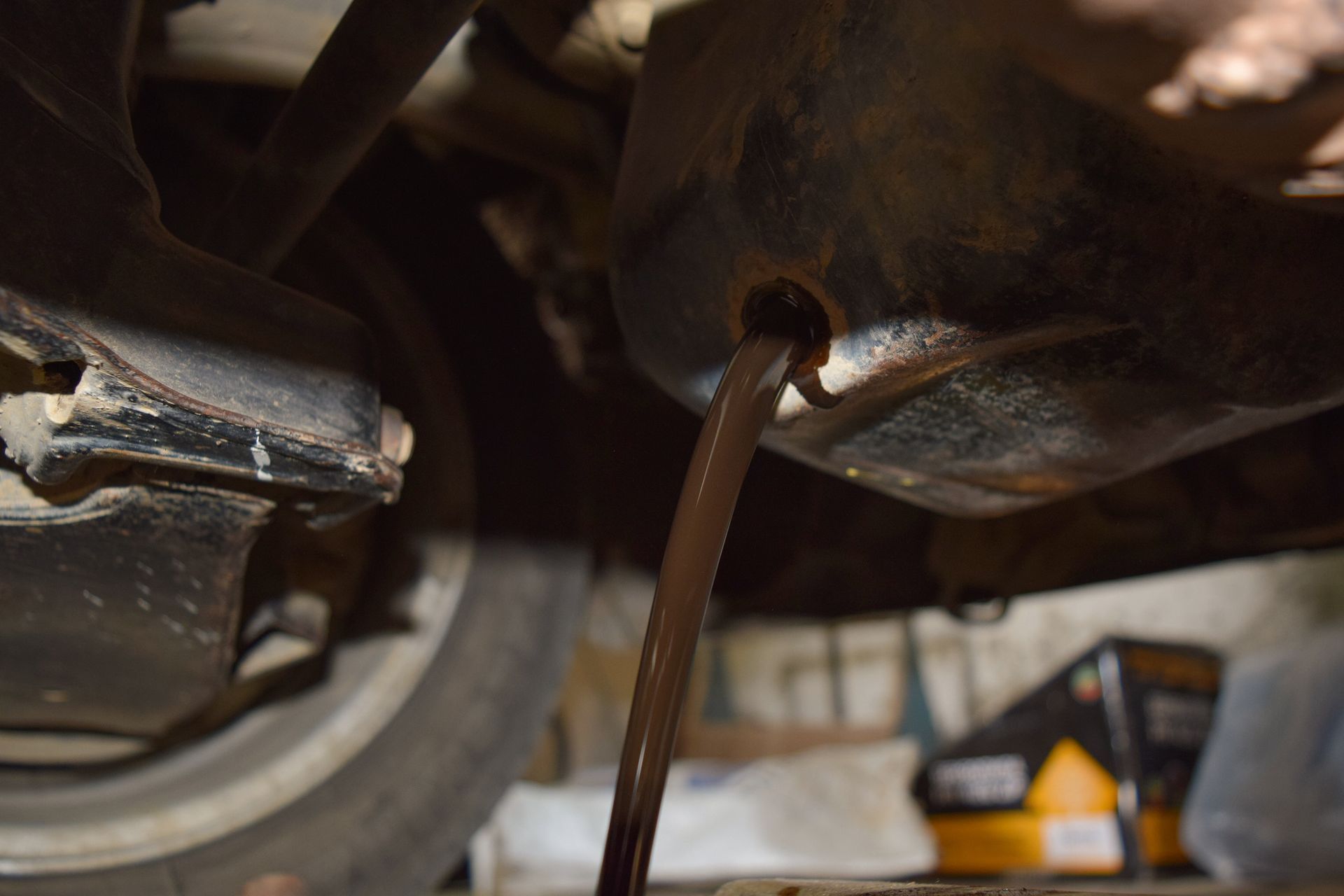
- Dark, gritty oil on the dipstick or a strong burnt smell
- Loud ticking on cold start that fades as the engine warms up
- Any flicker of the oil pressure warning light, even if it goes out again
These signs do not guarantee internal damage, but they are the engine’s way of hinting that the oil and filter may be overdue.
A Simple Plan To Protect Your Engine For The Long Term
You do not need a complicated spreadsheet to take care of your engine. Pick a realistic mileage or time interval based on your driving and stick with it, tying oil and filter changes to seasons or to a certain odometer number so they are easy to remember. Keeping a simple log of services helps you avoid both over-servicing and long gaps.
Spending a little on quality filters and consistent service is far cheaper than dealing with timing chain issues, oil pump failures, or worn bearings later. Clean oil and a fresh filter give the engine its best chance at a long, quiet life.
Get Oil Filter Service in Rochester, MN with Severson Auto Service
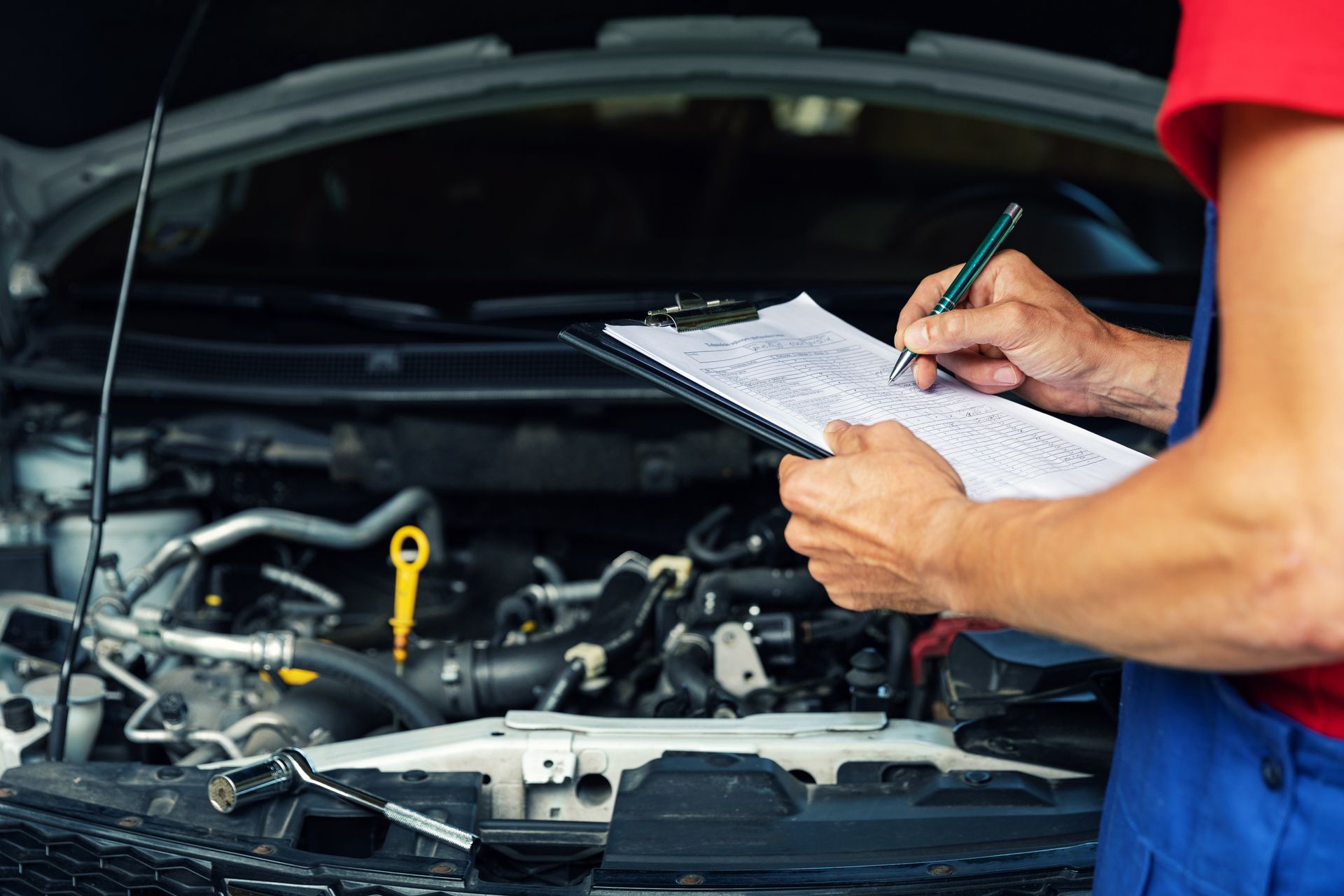
If you are not sure when your oil filter was last changed or what interval makes sense for your driving, this is a good time to get on a solid schedule. We can check your oil condition, review your service history, and recommend an oil and filter change plan that protects your engine without overspending.
We treat every oil service as preventive care, not just a quick chore. Schedule oil filter service with
Severson Auto Service in Rochester, MN, and we will help keep your engine running clean and strong.