A turbocharged engine depends on a controlled flow of exhaust and intake air to build boost pressure. When that pressure drops, the vehicle may feel noticeably weaker during acceleration, especially when climbing a hill, passing another vehicle, or getting up to highway speed.
Loss of turbo boost does not automatically mean the turbocharger itself has failed. Air leaks, control problems, sensor faults, exhaust restrictions, and engine-related issues can all reduce boost. Finding the real cause starts with understanding when the power loss happens and then testing the systems that control airflow and turbo operation.
Boost Leaks Are One of the Most Common Causes
Compressed air travels from the turbocharger through hoses, pipes, and usually an intercooler before entering the engine. If any part of that pressurized path develops a crack, loose clamp, damaged seal, or split hose, some of the air escapes before reaching the cylinders.
A boost leak may create a hissing or rushing-air sound during acceleration. You may also notice weaker power, slower boost response, or a check engine light. Small leaks can be difficult to see because some hoses only open under pressure, so a visual check while the engine is off may not reveal the problem.
Intercooler Damage Can Let Boost Escape
The intercooler cools compressed intake air before it reaches the engine. Cooler air is denser and helps the engine operate more effectively under boost, but the intercooler and its connections also have to hold pressure.
Road debris, corrosion, damaged end tanks, or loose fittings can create leaks. Oil residue around an intercooler joint may provide a clue because a small amount of oil mist can travel through the intake system on many turbocharged engines. Pressure or smoke testing can help locate leaks that are too small to identify during a basic inspection.
Wastegate Problems Can Reduce Turbo Pressure
The wastegate controls how much exhaust energy reaches the turbocharger turbine. When the desired boost level is reached, the wastegate allows some exhaust to bypass the turbine so pressure does not continue climbing.
If the wastegate is stuck partially open, boost pressure may stay lower than commanded because too much exhaust is bypassing the turbo. The problem can come from the wastegate mechanism itself, an actuator, vacuum plumbing, electronic controls, or linkage depending on the design.
A wastegate that is not moving correctly can create inconsistent boost rather than a total loss of power. The engine may pull normally at times and feel weak during another drive, which is one reason testing actuator operation is important before assuming the turbocharger needs replacement.
Turbo Control Valves and Vacuum Lines Can Fail
Many turbo systems use vacuum-operated or electronically controlled valves to regulate boost. A cracked vacuum hose, a leaking connection, a failed boost control solenoid, or a faulty actuator can prevent the turbo from responding the way the engine computer expects.
Heat is hard on small rubber and plastic lines around the engine. A hose that looks acceptable from above may have a split underneath or near a fitting. Technicians check these lines closely and may use a hand vacuum pump or scan tool commands to see whether the control components hold pressure and move correctly.
Sensor Problems Can Change Boost Operation
Modern turbocharged engines rely on several sensors to calculate engine load and control boost pressure. Depending on the vehicle, these can include a manifold absolute pressure sensor, boost pressure sensor, mass airflow sensor, throttle position sensor, and intake air temperature sensor.
If one of these sensors reports inaccurate data, the engine computer may limit turbo output as a protective response. The same thing can happen when the computer detects a fault elsewhere in the engine. Reading stored trouble codes is useful, but the sensor data also needs to be compared with what the engine is actually doing.
Restricted Exhaust Flow Can Hurt Turbo Performance
A turbocharger is driven by exhaust energy, so problems on the exhaust side can affect how quickly it builds boost. A restricted catalytic converter or damaged exhaust component can limit flow and reduce performance at higher engine loads.
An exhaust leak before the turbine can cause another type of problem. If exhaust escapes before reaching the turbocharger, there may not be enough energy available to spin the turbine as intended. Depending on the location, drivers may hear ticking, hissing, or an unusual exhaust sound along with the power loss.
The Turbocharger Itself Can Wear Out
Turbochargers operate at extremely high speed and temperature, so lubrication and cooling are critical. Over time, bearing wear, damaged compressor blades, excessive shaft movement, oil contamination, or a lubrication problem can reduce turbo performance.
Warning signs can include:
- Loss of power under acceleration
- Unusual whining or scraping noises
- Increasing oil consumption
- Blue exhaust smoke
- Oil collecting heavily in intake piping
- Boost pressure that remains consistently low
Finding oil inside a turbo intake pipe does not by itself prove the turbo has failed. Some oil mist can enter the intake through the crankcase ventilation system, so the amount, location, shaft condition, and other test results need to be considered together.
Engine Problems Can Feel Like Lost Boost
Sometimes the turbo system is working correctly, and the engine simply cannot produce normal power. Misfires, low fuel pressure, restricted air filters, ignition problems, carbon buildup, or poor engine compression can all make a turbocharged vehicle feel as though boost has disappeared.
That is why checking actual boost pressure is useful. Technicians can compare requested boost with measured boost while watching airflow, fuel trims, throttle position, and other engine data. That information helps separate a turbo control problem from a broader engine performance concern.
Good Oil Service Helps Protect the Turbo
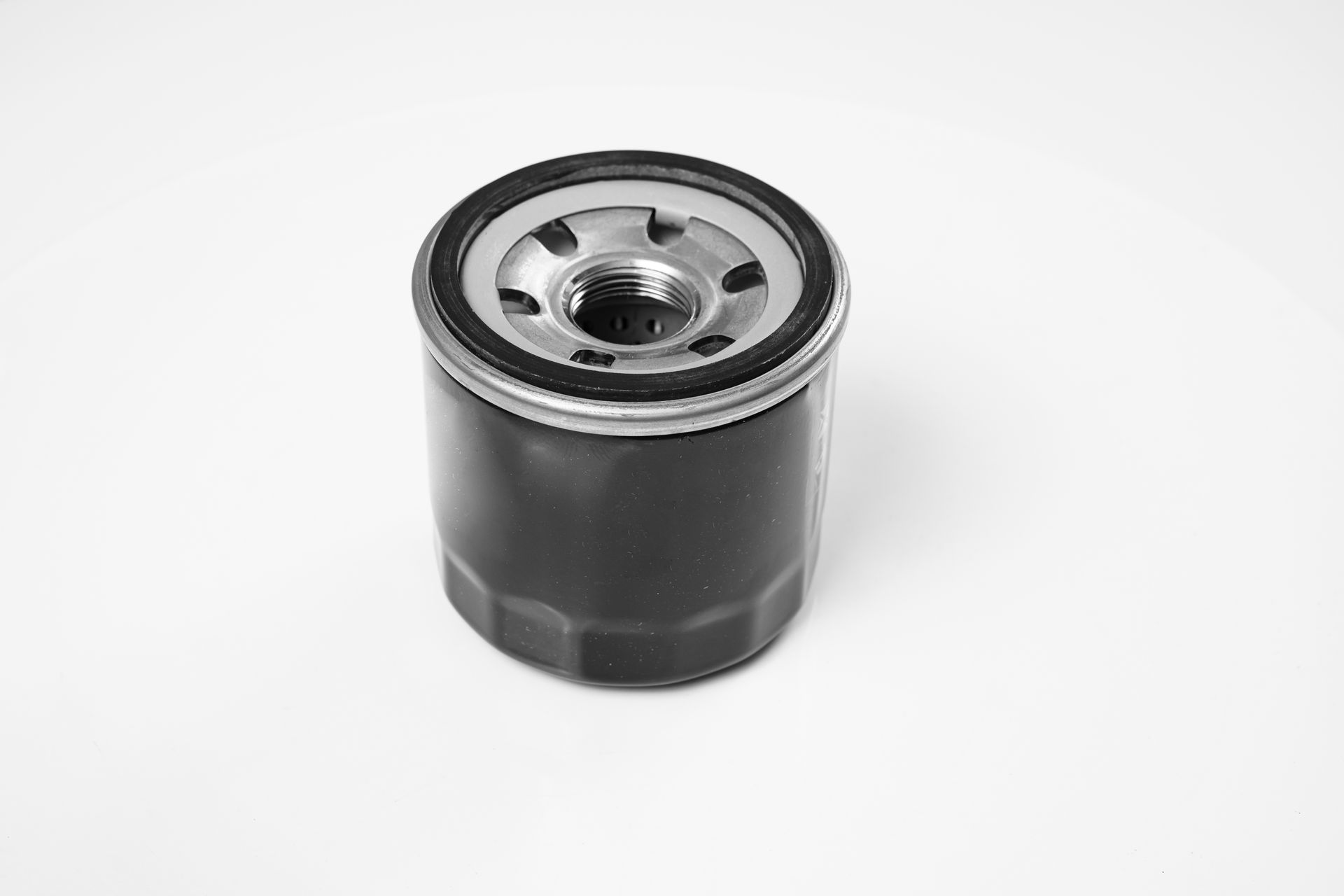
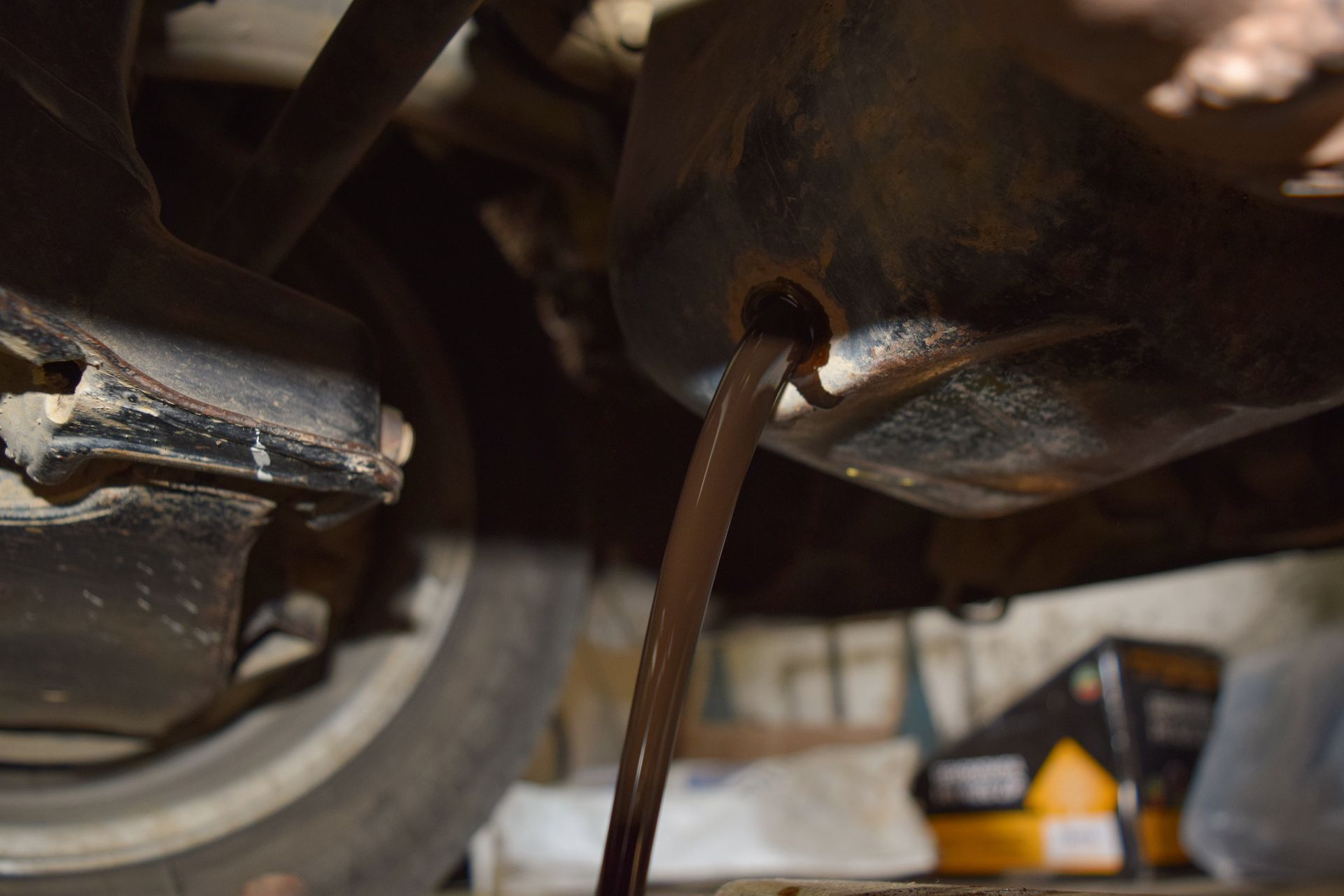
Turbo bearings depend on a constant supply of clean engine oil. Delayed oil changes, incorrect oil specifications, low oil level, or restricted oil passages can increase wear and shorten turbocharger life.
Regular maintenance cannot prevent every turbo problem, but correct oil service and filter replacement remove avoidable stress from the system. If boost loss appears along with unusual turbo noise or rising oil consumption, having the vehicle checked sooner can help prevent additional damage.
Get Turbo Boost Testing in Rochester, MN, With Severson Auto Service
Severson Auto Service in Rochester, MN, can perform diagnostic testing for low boost, weak acceleration, boost leaks, wastegate concerns, sensor faults, and turbocharger problems.
If your turbocharged vehicle has lost power or is no longer building boost as expected,
contact us to schedule service.