The first hard freeze of the season has a way of exposing problems that were easy to overlook during warmer weather. A battery that seemed fine in October suddenly struggles to crank the engine. Tire pressure drops overnight. A heater barely used all summer can develop a problem just when you need it.
Cold temperatures don't cause every one of these failures on their own. More often, they reveal parts that were already weak, worn, low on fluid, or close to the end of their service life. In Rochester, where winter temperatures can fall quickly, these five problems are worth watching for after the first serious freeze.
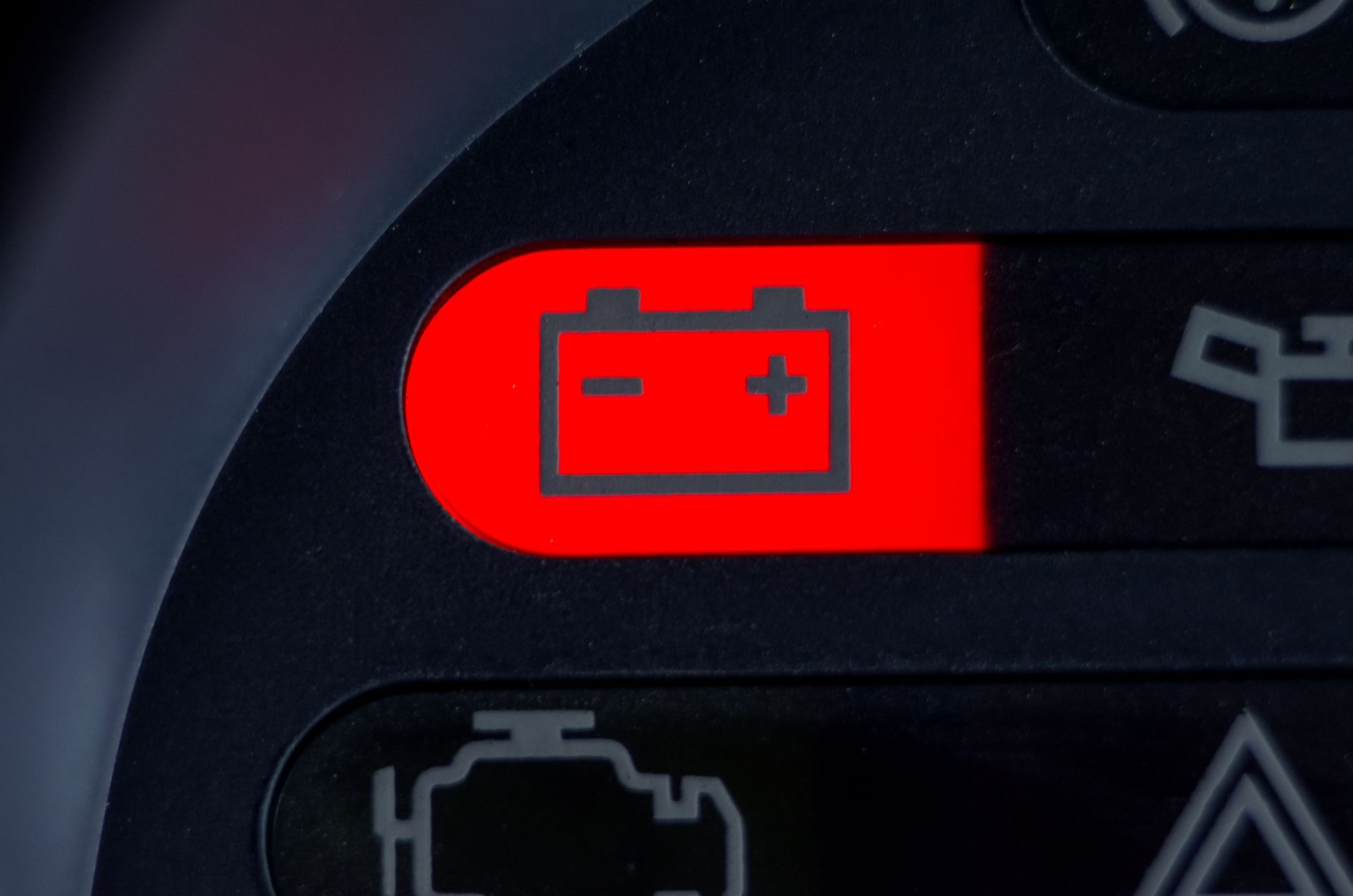
1. A Weak Battery Suddenly Struggles to Start the Engine
Battery trouble is one of the first things drivers notice after temperatures drop sharply. Cold weather slows the chemical reaction inside the battery, reducing how much current it can deliver to the starter.
At the same time, cold engine oil creates more resistance, so the starter has to work harder. A battery that had just enough reserve during warm weather can suddenly produce slow cranking, clicking, dim lights, or a complete no-start. At our shop, we check battery condition, cable connections, and charging voltage because corroded terminals or a weak alternator can make cold-start problems worse.
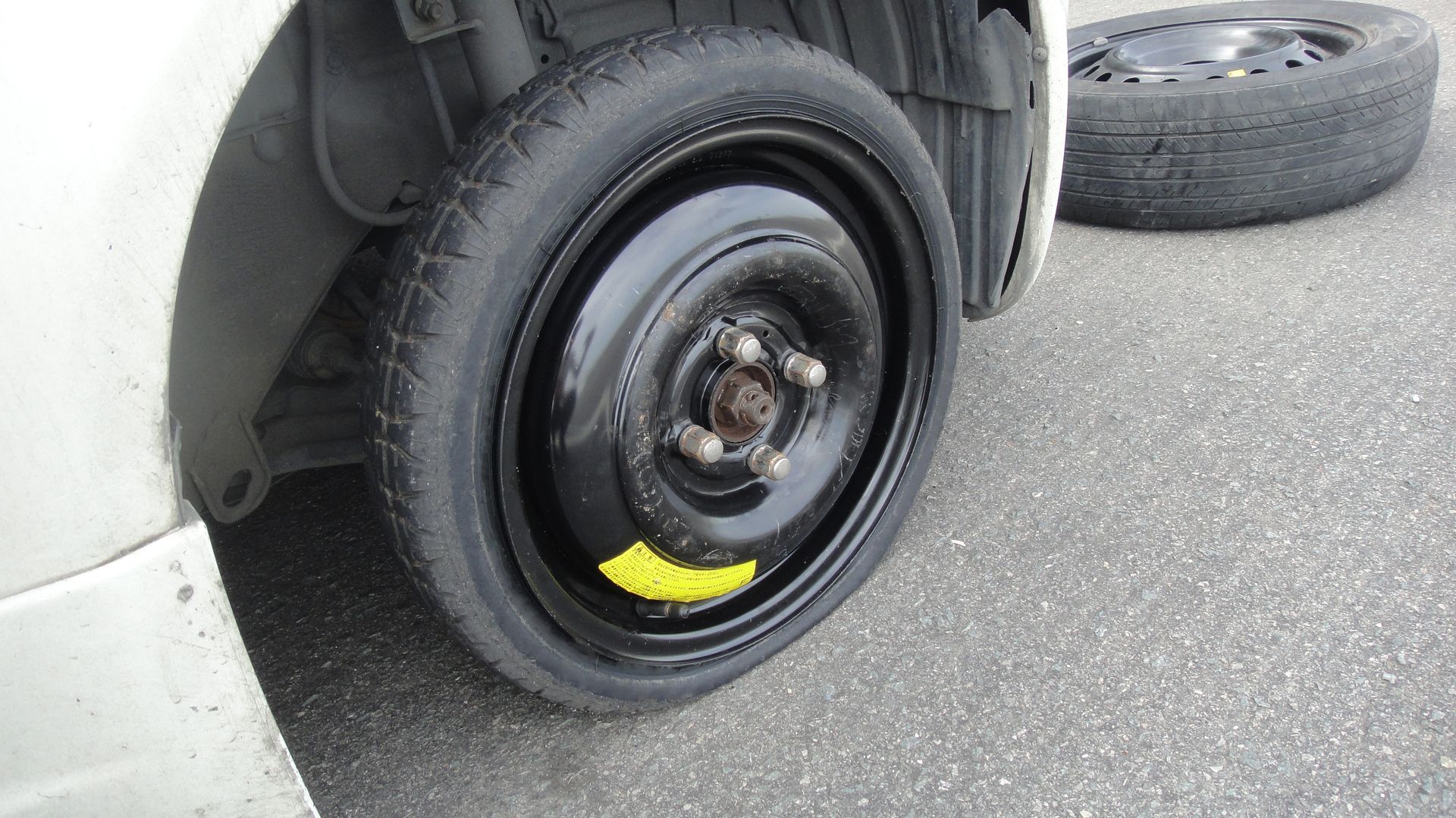
2. Tire Pressure Drops Enough to Turn On the TPMS Light
Air pressure inside a tire falls as temperatures drop. That is why the tire pressure warning light often appears the morning after a hard freeze even though no tire looked flat the day before.
The cold may simply have pushed already marginal tire pressures below the TPMS warning threshold. All four tires can drop by a similar amount, but one tire sitting much lower than the others suggests a leak.
Common causes of repeated pressure loss include:
- A nail or screw in the tread
- A leaking valve stem
- Corrosion where the tire seals against the wheel
- A cracked or bent wheel
- An older tire with bead or sidewall damage
Use the pressure listed on the driver's door placard, not the maximum pressure molded into the tire. If one tire keeps losing air after adjustment, an inspection can find where it is escaping.
3. The Heater or Defroster Does Not Work Properly
Many drivers don't discover heater problems until the first morning when the windshield is frosted, and the cabin is genuinely cold. Weak heat can come from several places, including low coolant, a thermostat stuck open, poor coolant flow through the heater core, or a climate-control door that is not moving correctly.
A useful clue is what the engine temperature gauge is doing. If the engine takes a very long time to warm up and the gauge stays low, the thermostat deserves attention. If engine temperature looks normal but the vents still blow cool air, we look more closely at heater core flow and the HVAC controls.
Defroster performance is especially important during winter. Warm, dry airflow helps clear frost and interior condensation from the windshield. A heater problem that seems like a comfort issue can quickly become a visibility problem.
4. Door Locks, Latches, and Weatherstripping Freeze
Water can work its way into door seals, latch mechanisms, and traditional key cylinders during rain, snow, washing, or a warm afternoon. Once temperatures fall below freezing, that trapped moisture can turn to ice.
You may find that a door refuses to open, the handle moves but the latch stays stuck, or the door opens and then will not latch closed again. Pulling harder on a frozen handle is risky because many handles use plastic clips and small cables inside the door.
Before winter gets established, keeping the seals clean and the latch mechanisms properly lubricated can reduce trouble. Regular maintenance is also a good opportunity to catch a sticky latch or loose handle before freezing weather makes an existing problem much more obvious.
If a latch still binds after the vehicle has fully warmed up, the issue is probably more than ice.
5. Old Wiper Blades and Washer Systems Stop Doing Their Job
The first freeze is hard on windshield wipers. Rubber blades that were already cracked or hardened during summer can become stiff enough to skip across the glass instead of clearing it cleanly.
The washer system can fail at the same time if summer washer fluid or plain water is still in the reservoir. Fluid can freeze in the tank, pump, hoses, or nozzles, leaving you without a way to clean salty road film from the windshield.
Before temperatures stay below freezing, check:
- Wiper blades for cracks or torn edges
- Washer fluid freeze protection
- Front and rear washer spray
- Washer nozzles for blockage
- Wiper arms for proper contact with the glass
Do not keep operating a washer pump against frozen fluid. The pump can be damaged if you repeatedly force it to work against a blocked system.
Cold Weather Usually Exposes Weakness That Was Already There
The useful thing about these early winter problems is that many warn you before becoming complete failures. A slow starter, gradually falling tire pressure, weak cabin heat, sticky door latch, or streaking wiper blade is easier to deal with before Rochester sees its next stretch of colder weather.
We would rather catch a weak battery or small tire leak in the shop than have you discover it in a frozen parking lot. A seasonal check can also uncover coolant leaks, damaged belts, low fluids, and other small issues that become much less convenient once winter settles in.
Get Cold Weather Car Service In Rochester, MN, With Severson Auto Service
If your vehicle starts acting differently after the first hard freeze, Severson Auto Service in Rochester, MN, can check the battery, tires, heater, wipers, washer system, and other cold-weather trouble spots before winter conditions get tougher.