Wheel alignment usually needs checking before the steering wheel looks obviously crooked. Uneven tread wear starts gradually, sometimes on the inside edge where it's hard to see. A tire rotation or seasonal service visit is a useful chance to catch it while there's still plenty of tread to protect.
There's no single alignment interval that fits every car. Follow the vehicle's instructions, watch tire wear, and check sooner after a hard impact or a steering change. Around Rochester, rough winter pavement and seasonal tire changes are practical reminders to check the wheels, tires, and suspension together.
Planning Wheel Alignment Checks
Start with the manufacturer's maintenance instructions, then consider how the vehicle is used. Some owners encounter rough pavement daily; others rarely hit a pothole. Those vehicles don't necessarily need adjustments at the same mileage.
An alignment check measures the angles; an adjustment corrects angles that are outside the required range. You can book a check without assuming the car needs every setting changed. The measurements and suspension inspection should explain whether an adjustment is needed and what should be repaired first.
If you already bring the car in for seasonal service or tire rotation, have the tire wear and steering concerns reviewed then. An annual maintenance review is a practical reminder to discuss alignment history, especially if the car hasn't been measured in a long time.
Wheel Alignment After a Pothole or Curb Impact
Hitting a deep pothole or striking a curb loads the wheel, tire, and suspension abruptly. The immediate priority is damage: a bent wheel, damaged tire, loose component, or changed steering feel deserves inspection before further regular driving.
If the vehicle starts pulling afterward, arrange a check promptly. A steering wheel that changed position after the impact is another useful clue. Even with little change in feel, a severe strike justifies checking the parts and angles that keep the wheel aligned.
A simple description gets the inspection started in the right place. For example, 'The right front wheel hit a pothole, and the steering wheel has been tilted since' connects the impact to the change you noticed. Include any vibration or new noise, and have visible tire damage checked promptly.
Checking Wheel Alignment With New Tires
Fresh tires give you a reason to confirm the wheels are tracking properly. Incorrect toe or camber can wear the new tread from the first miles, and it's easier to leave old wear patterns behind once you correct the underlying cause.
The old tires tell a useful story. Even wear suggests the previous geometry was working well. A bald inside edge or repeated wear on one corner deserves checking before the new tires rack up miles. Otherwise, the same unresolved angle or worn component starts damaging the fresh tread.
Balancing and alignment remain separate services. Balancing helps a wheel and tire rotate smoothly; alignment sets wheel position. A new tire installation often includes balancing, so confirm whether an alignment check is included or offered separately.
Wheel Alignment After Suspension Repairs
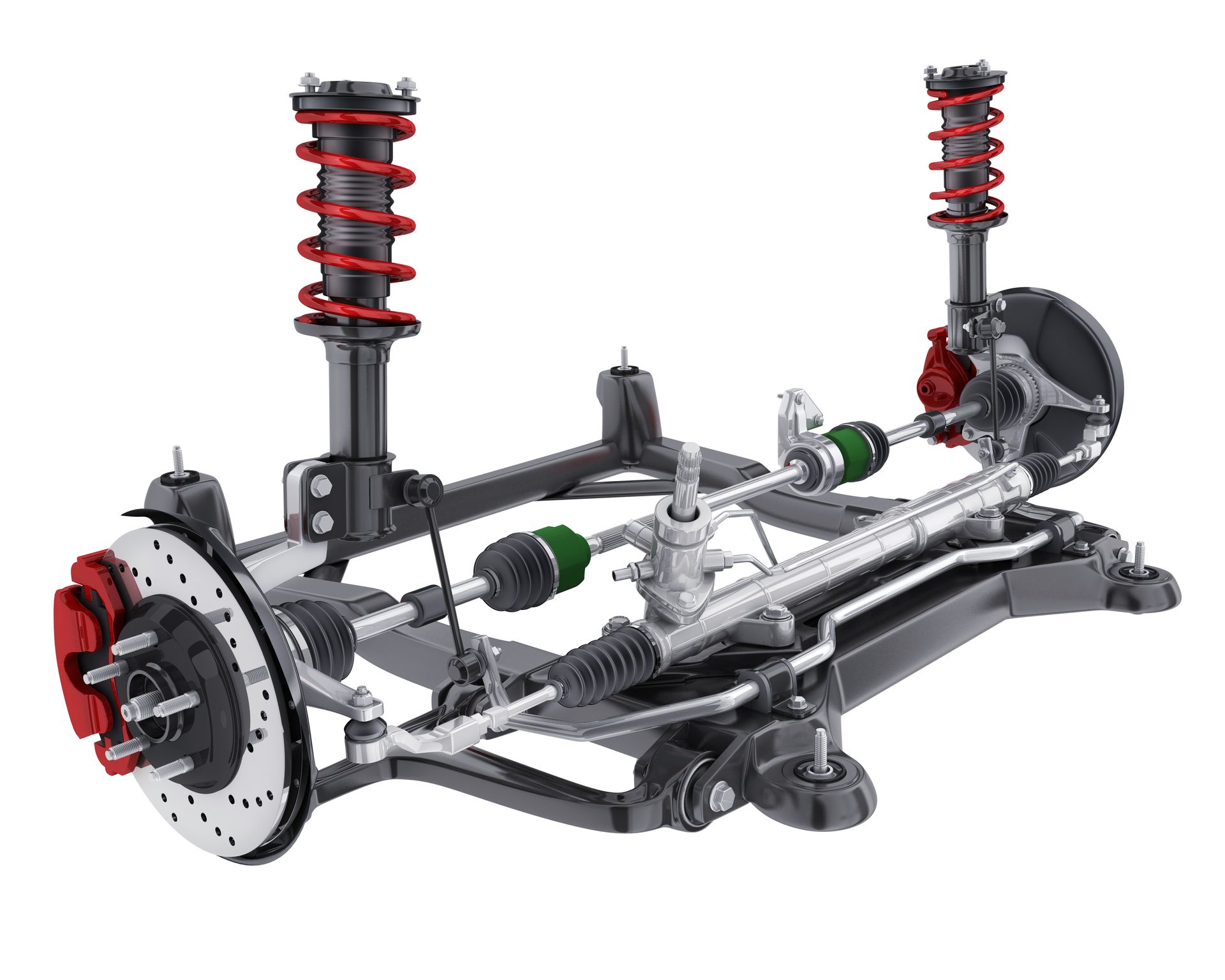
Tie rod replacement changes a component that controls wheel direction. Certain control arm, strut, and other suspension repairs also alter the geometry. The repair instructions indicate when an alignment check should be part of the job.
Loose components need repair before the final adjustment. Setting angles while a worn joint still lets the wheel move leaves the car with an unstable foundation. A suspension inspection protects both alignment accuracy and your investment in tires.
Changes in ride height deserve attention too. A broken or sagging spring, a lift, or lowering work affects the relationship between suspension components. Have the resulting geometry checked instead of assuming the previous measurements still describe the vehicle.
Tire Wear and Steering Signs to Watch
Look at the entire tread width when checking tires. An outside edge is easy to see from beside the car; the inside edge often receives less attention. Rotation visits give the shop a better view of the areas owners miss.
Book an alignment and tire check if you notice:
- One-sided or feathered wear across the tire tread
- A steering wheel that sits crooked on a straight road
- A consistent pull on reasonably level pavement
- New handling changes after tire or suspension work
The technician should check tire pressure and condition alongside wheel angles. A tire-related pull and a loose suspension part need different repairs. Combining those checks gives you a clearer answer than choosing an alignment simply because the car feels as if it's drifting to one side.
Keeping Wheel Alignment Records
Save the alignment readings with the service date. If the same tire edge keeps wearing after adjustments, those records help reveal the pattern. Worn bushings, changing ride height, or another problem holding the wheel out of position deserves a closer look.
After the alignment, keep up with pressure checks and your tire and vehicle rotation schedule. Correct angles reduce scrubbing, while proper inflation and rotation help the tread wear evenly through the rest of its service life.
Wheel Alignment Service at Severson Auto Service
Severson Auto Service in Rochester, MN, can review wheel alignment after an impact, suspension repair, or change in tire wear. Bring any previous alignment readings and explain what changed. We'll discuss the inspection your vehicle needs and whether an adjustment belongs in the visit.
Schedule a wheel alignment check with
Severson Auto Service before uneven wear costs you another set of tires.