A little squeak during the first stop of the day is easy to ignore. Then the noise starts happening at every traffic light. A few weeks later, it becomes a scraping sound, and the steering wheel shakes when you slow down. Brake noise changes as wear progresses, although not every sound follows the same path. The sound alone does not reveal how far the wear has progressed.
The answer comes from inspecting the brakes, not guessing how many miles they have left by listening from the driver's seat.
Normal Brake Noise Versus a Developing Brake Problem
Brake pads contact spinning rotors every time you slow down. That friction sometimes produces a brief squeak, especially after rain or overnight parking allows light surface rust to form on the discs. The sound often fades after the first few stops without indicating serious brake damage. Persistent noise is different. A squeal that returns with every application, grows louder, or appears with vibration needs inspection.
Pad material, rotor condition, caliper hardware, and temperature all influence the sound. We look at how the parts wear together instead of promising that new pads will silence every squeak.
Worn Brake Pads Turn a Small Squeal Into Grinding
Brake pads have a limited thickness of friction material. As it wears away, certain pads produce a high-pitched warning when their wear indicator contacts the rotor. That signal is intended to prompt service before the backing plate reaches the disc. Once the friction material is gone, metal contacts the rotor. Grinding is louder and rougher, and continued contact leaves deep scoring on the disc.
At that point, pads alone often won't restore proper operation. The rotor also needs measurement and inspection. Continuing to drive increases damage, heat, and the risk of reduced braking performance.
Sticking Brake Calipers Make Wear Worse
A caliper applies pressure to the pads, then releases it when the driver lifts the pedal. One wheel smells hot after a short drive. What's causing that extra heat? If a piston binds, slide pins seize, or a brake hose restricts fluid return, the pads stay in contact with the rotor. The affected wheel runs hotter than the others and wears friction material faster.
Drivers sometimes notice a burning smell, heavy brake dust on one wheel, or a slight pull while driving. A new set of pads won't correct the drag. The caliper, hardware, and hydraulic circuit need testing. Heat damage to the rotor calls for replacement as well. The heat can damage the new parts quickly if the source isn't fixed.
Brake Rotor Problems That Cause Pulsation and Shaking
Uneven rotor thickness creates small changes in braking force each time the wheel turns. The pedal pulses, and steering wheel vibration often follows when the front brakes are affected. Rust, surface deposits, poor rotor mounting, and caliper problems contribute to uneven contact or wear.
A rotor that is too thin or deeply damaged needs replacement. If it meets the manufacturer's requirements, we determine if refinishing is permitted or if another repair is needed. Measurements of thickness and runout keep the decision tied to the actual condition. New pads installed over a badly uneven rotor rarely produce the smooth braking the driver expected. When one wheel vibrates or runs hot, we compare its measurements with those from the opposite side.
When a Brake Flush Is Maintenance, Not a Mechanical Repair
Brake fluid absorbs moisture over time in most conventional hydraulic systems. Manufacturers often specify replacement by time or condition. A fluid exchange protects the hydraulic system, but it won't fix pads that are worn through or a sticking caliper.
A soft or sinking pedal raises separate concerns, including air in the system, leaks, or master cylinder faults.
If the pedal approaches the floor or stopping distance increases, stop driving and arrange towing. That behavior is not a routine noise issue. Hydraulic faults need immediate investigation before a vehicle returns to the road.
Signs Brake Noise Has Become a Repair Issue
Tell us how the sound changed and what you feel through the pedal or steering wheel. Don't ignore these changes:
- Grinding every time the brakes are applied
- Steering wheel shaking while slowing down
- One wheel smelling unusually hot
- The car pulling during braking
The last symptom is particularly urgent. A brake system that can't hold hydraulic pressure cannot provide dependable stopping power. Avoid driving until the cause is found and corrected.
What a Complete Brake Inspection Should Include
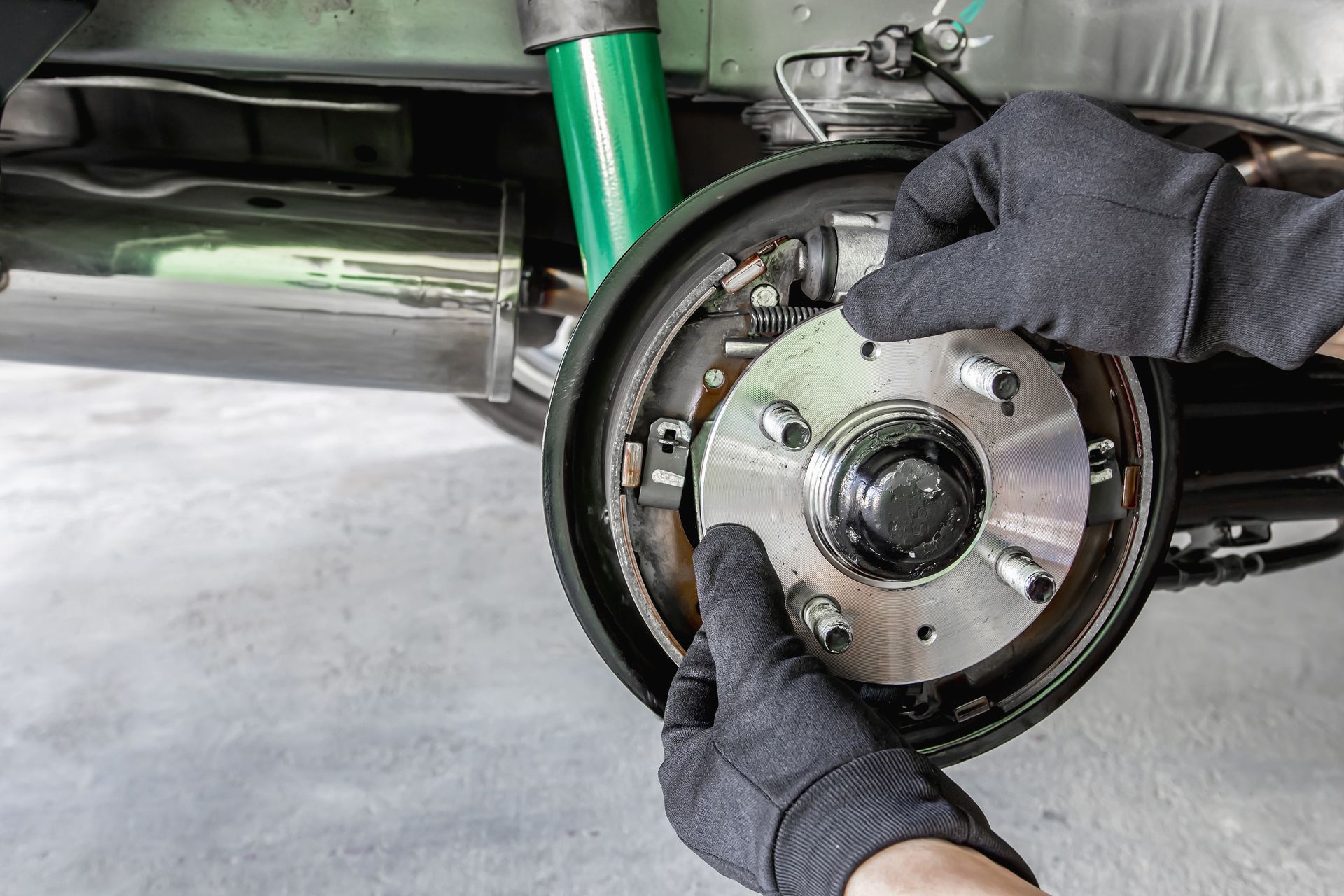
A thorough inspection measures pad thickness, checks rotor surfaces and thickness, tests caliper movement, and examines hoses and fluid condition. Uneven wear between inner and outer pads often reveals hardware that isn't sliding properly. We also check for leaks and wheel or suspension faults that contribute to brake vibration. Before we recommend rotors or calipers, what measurements confirm they're worn?
The repair estimate identifies worn parts, damaged components, and anything still in good condition. Some vehicles need only pads and routine maintenance. Others require rotor replacement, caliper repair, or hydraulic work. Replacing every part isn't necessary, but the cheapest repair often leaves the original fault untouched.
How Rochester Winters Affect Brake Hardware
Road salt, moisture, and repeated freezing conditions are hard on exposed brake hardware in Minnesota.
Corrosion builds on brackets and guide pins, and rust develops where rotors meet the wheel hubs. Cars parked for long stretches often collect surface rust that changes the feel of the first few stops.
Routine maintenance includes checking these areas before severe wear begins. Washing the exterior of the vehicle doesn't guarantee the internal brake hardware is free from corrosion. A periodic inspection catches seized pins and damaged components before a small noise turns into an overheated wheel. After a Rochester winter, our inspection includes the slide hardware exposed to road salt.
Brake Maintenance and Repair in Rochester, MN
At Severson Auto Service in Rochester, MN, we check pads, rotors, calipers, hoses, and brake fluid when noises become louder or stopping behavior changes. The inspection separates routine wear from damage that requires repair.